
At the 2018 International Theater Festival in Sibiu, the Israelian Kolben Dance Company presented it’s latest creation, “On The Edge”. I spoke to the well-known choreographer (and also Dean of the Faculty of Music at the Jerusalem Academy of Music and Dance) about what it means and how it feels to be “on the edge” in dance, art and human interactions.
Un articol de Cristina Enescu Aky|17 iunie 2018
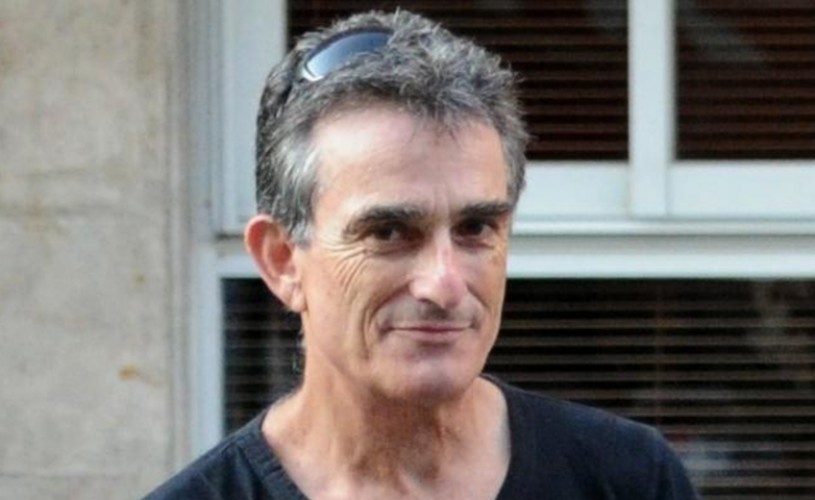
Beyond the visual, aesthetic pleasure that people get from watching dance shows, do you believe that dance responds to other human needs as well, some related to people’s own lives and body perceptions?
I think people generally like seeing some kind of virtuosity of body movements. That’s why they love circus or compete in the Olympic Games, they want to see how far the body can go. This is part of what fascinated people when they watch dance as well. I don’t necessarily give them that. My dancers are extremely capable of showing off all kinds of physical possibilities, but we rarely use such things as a statement in a piece. Why do people generally come to see art? Because they are looking for some kind of reflection of their own lives, for some opening of windows, a sort of “oh yeah, I didn’t think about that!” experience. This is something within the people’s reach, not far away, and it makes you somehow a fuller person.
Do dance shows help us approach our own body perception?
Yes, definitely. There’s been some brain research showing that we have some mirror-neurons, that enable learning movement but also much more. It has been proven that dancers “sit” in their rehearsals, in their brains, even when they don’t necessarily do anything. This activates brain centers that do the same work as if they would actually be dancing. When people see dancing, their mirror neurons work as well, so in a way your body identifies with that your eyes see. When you see dance you also dance in the brain in a way. I think this is part of the pleasure of watching dance, you somehow see yourself too, you perceive some sorts of reflections on many levels, both in body and in the imagery. And we feel this is good for us.
What is your personality signature that you impress on your dance company?
First of all I think it is my personal need to move, I look for the physicality of the movement, not just the intellectual aspect of dance. There is also, I guess, a strong philosophical side to my pieces, which is mostly hidden behind the physicality, the forms, structures, the movement materials. The dancers have to understand and experience that. I don’t just go into the studio and say “let’s explore movement today”, like others choreographers do. That is their way, my way is to understand something about what I’m doing – not everything though, as I prefer to be in the mist. If I’m not in some kind of mist, in the beginning, I know I’m in my comfort zone, which isn’t good. Also, I think I show a strong connection between my personal experiences and the social ones that relate to me.
On The Edge speaks about different ways and contexts of experiencing limits. What does “being on the edge” mean in dance, spiritually?
Generally, in their daily lives, dancers pretty often are on the edge. At times they break apart, often don’t earn enough, or work way too hard. It’s a stressful life, especially being demanded to bring something very precious, which is themselves, into the work situation and on stage.
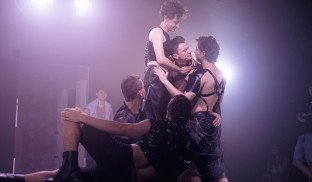
In this show I felt that the dancers’ challenge regards not showing just something that the choreographer told them to, but experiencing a high level of honestly displaying your inner self. Exposing yourself to a large number of unknown people, getting very close to people gives you a sense of limits, it’s an unusual situation you are not comfortable with. I want people to have this personal experience. Breaking barriers between people is part of our task as artists, generally. In this show we are tackling both outside and inside barriers. It’s not easy, even if you train yourself, like the dancers, it’s still affects you. Something starts happening inside you when you expose yourself. Being on the edge means risking yourself, to be somehow that is not safe, where you might get hurt, or be rejected, disliked, hated (which happens often to me with my pieces). That is a challenge – do I take the next step and risk falling or don’t I? I feel both the temptation and the hesitation. This is the emotional risk, more than in the concrete sense like that moment in the show when the dancers literally on the edge of the stage.
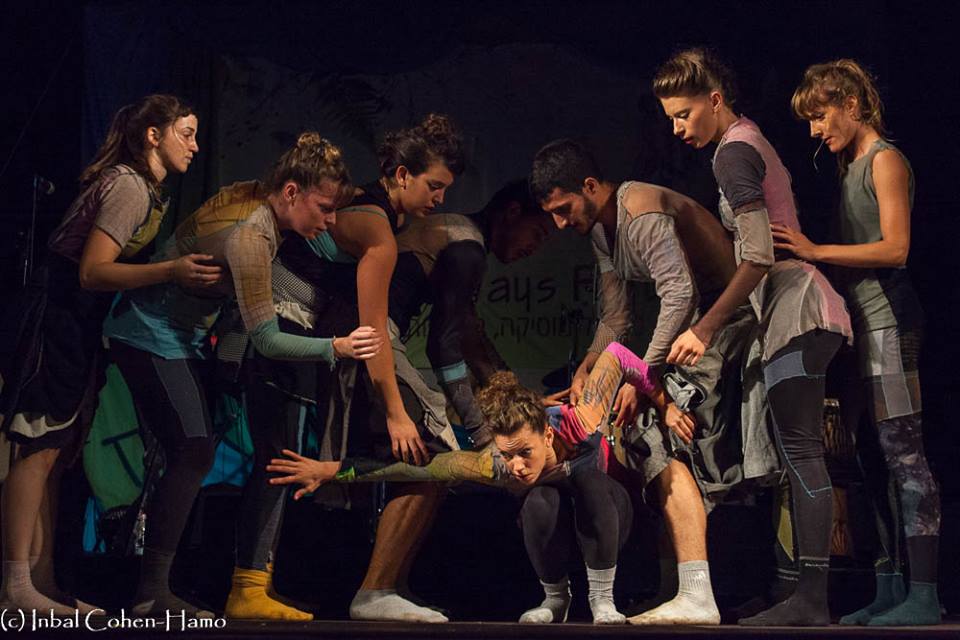
Image from Amir Kolben’s On The Edge
This type of pushing yourself and the audiences to the borders of their comfort zone, in a pleasant, artistic way – could it be a recipe for healing tensions among people too?
Absolutely. When two people meet and fall in love, the first thing they do is hold hands, it’s a bodily expression of the experience of crossing the border of your own bubble into someone else’s. It’s a great experience, which can be the beginning of more wonderful ones between people.
When you see, at dance workshops, people allowing themselves to experience stupidity – something we are all so scared of, being considered stupid-, then all of a sudden they feel like in their childhood, they’re so happy to allow themselves to be like that with each other. That’s the beauty, the freedom of being yourself, as opposed to being how you’re told to. As human beings, we have many needs that we tame for social survival, but isn’t good for us, and we need to break free at times. Dance is an opportunity to find freedom.
Trailer of the On The Edge show, by Kolben Dance Company
Photos: Kolben Dance Company